Home » Farm Water Systems Australia
Farm Water Systems Australia
Farm water systems are essential for keeping rural properties running smoothly, from supplying livestock and irrigation to supporting everyday household use. A well-planned setup ensures water is stored, moved and accessed efficiently across your property.
At Tankworld, we’ve been supplying water storage solutions for over 50 years, helping Australian farms build reliable systems with rainwater tanks, water troughs, water pumps, and complete tank-and-pump packages designed for local conditions.
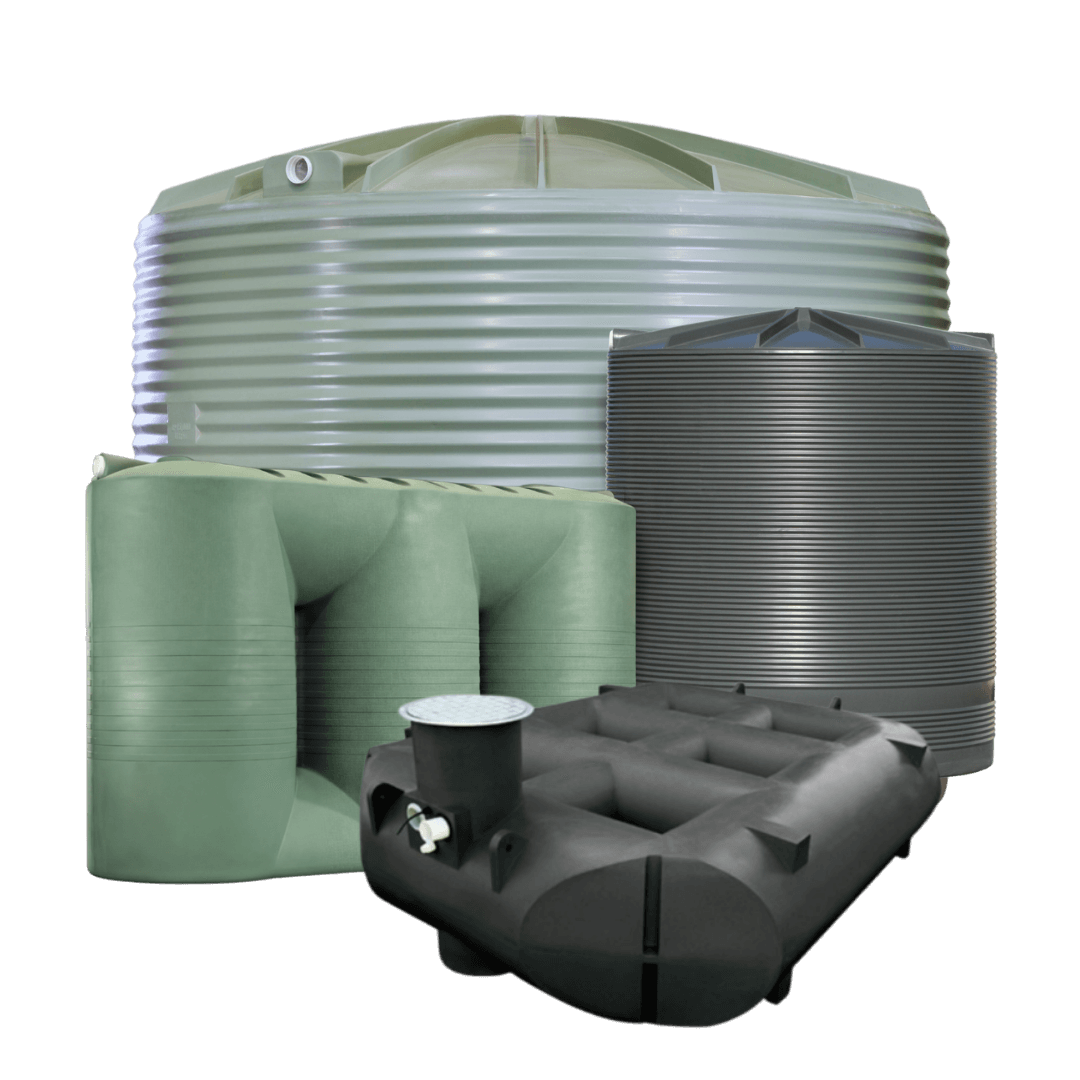
Water Storage for Farms and Rural Properties
Reliable storage is the foundation of any farm water system. Large water storage tanks are commonly used to collect and store rainwater for livestock, irrigation and household use.
Depending on your setup, you can also explore 10000L to 15000L water tanks or connect multiple tanks to increase capacity.
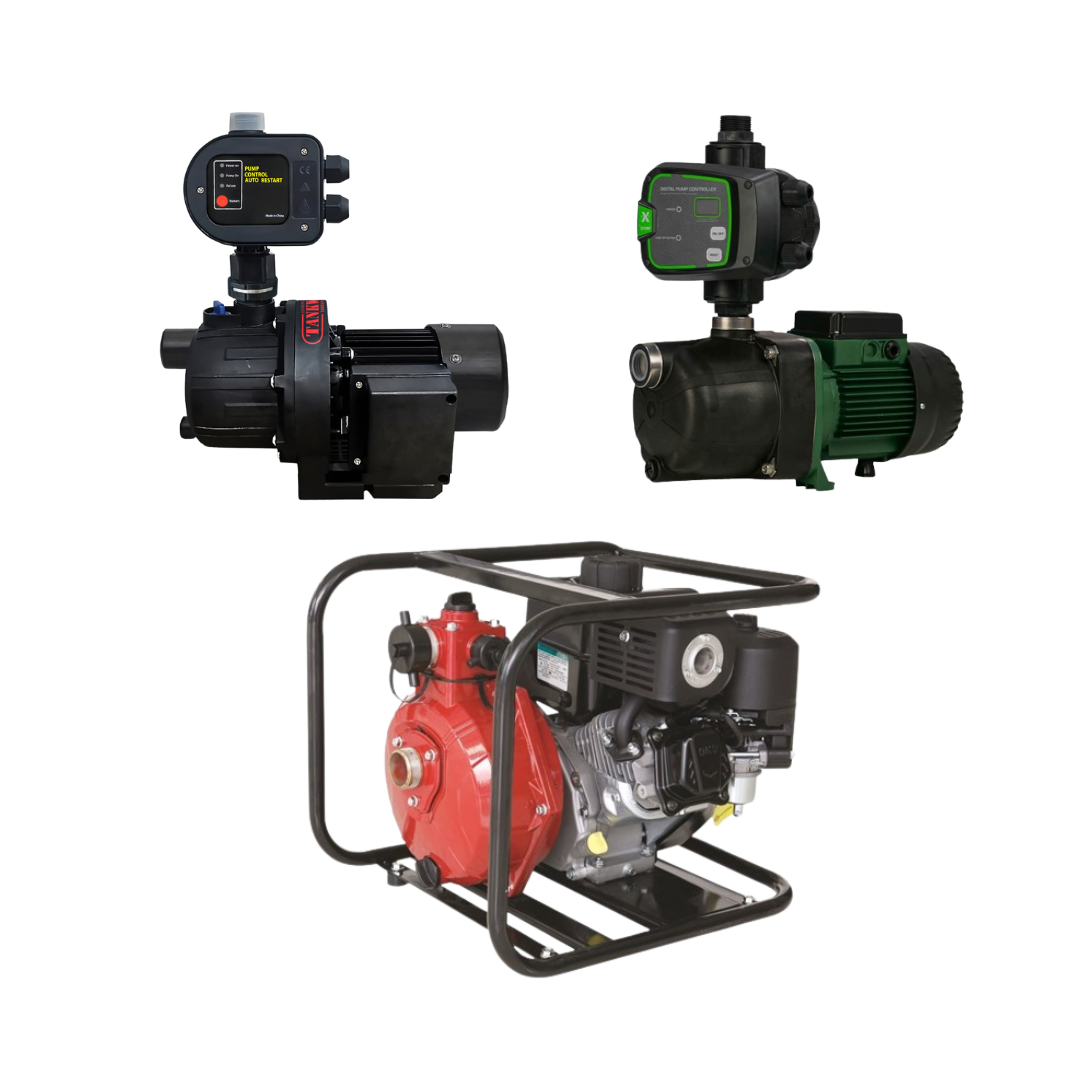
Water Pumps for Rural Systems
Rainwater pumps move water from storage to where it’s needed, whether that’s troughs, irrigation lines or household supply.
For smaller setups, garden pumps can be used, while larger properties often rely on higher-capacity systems.

Fire Protection and Emergency Water Supply
For properties in bushfire-prone areas, having access to stored water is critical. Fire-fighting pumps and large-capacity tanks provide a reliable emergency water source.
Many rural properties install dedicated systems to ensure water is available when needed.
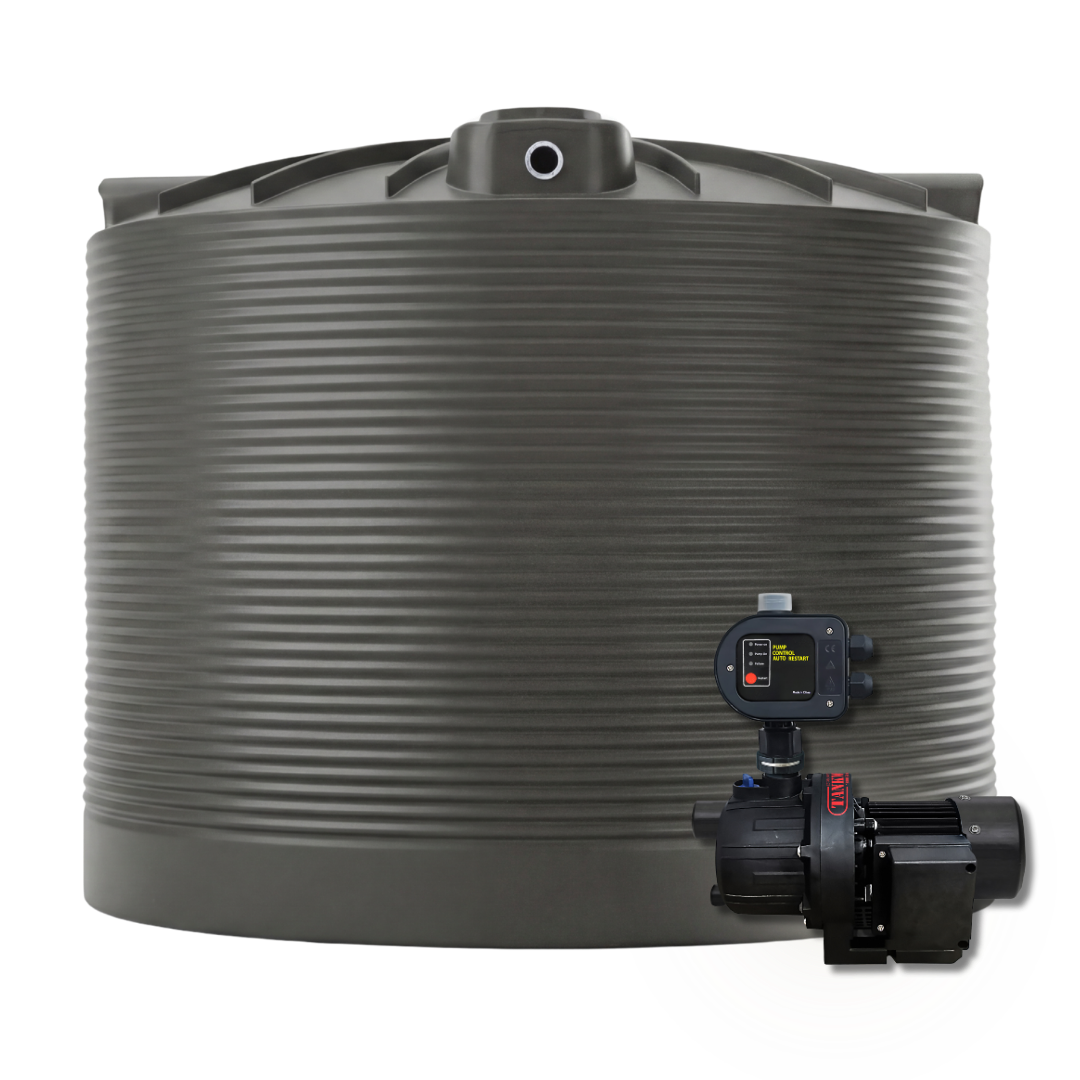
Complete Tank and Pump Systems
For a simpler setup, many customers choose complete water systems. These combine storage and delivery into one system, making installation easier and ensuring compatibility.

Livestock Water Supply for Farm
Water troughs provide easy access for livestock and are commonly used across paddocks and yards. Options include cattle water troughs, sheep water troughs and smaller setups for pets such as dog pools.
These can be supplied directly from tanks or connected through pump systems, depending on layout.

Keeping Water Clean and Systems Running
Maintaining water quality is just as important as storage. Systems such as first-flush diverter systems, tank inlet strainers, and tank overflow kits help keep debris out and manage excess water.
How a Farm Water System Works
A typical farm water system collects rainwater from roofs in storage tanks, then distributes it across the property using pumps and pipework.
Learn how to set up a farm water system using water tanks, pumps and troughs. This step-by-step guide covers storage, delivery and water access for rural properties.
- Plan Your Water Storage
Start by choosing the right-sized water tank based on your property size, rainfall, and water use. Larger farms often use 10000L to 25000L tanks or multiple connected tanks.
- Install Your Water Tank
Position your tank on a stable base and connect it to your roof catchment system to efficiently collect rainwater.
- Add a Water Pump
Install a pump to move water from the tank to troughs, irrigation systems or household use. Choose a pump based on distance and pressure requirements.
- Connect Troughs or Irrigation
Run pipework from the tank or pump to troughs or irrigation points. This allows livestock or crops to access water where needed.
- Install Filtration Components
Use first-flush diverters, inlet strainers, and overflow systems to keep water clean and manage excess flow.
- Test and Maintain the System
Check all connections, ensure water flows correctly and perform regular maintenance to keep the system running efficiently.
This combination allows farms to store water when it’s available and use it when it’s needed.
Farm Water System Components
| Component | Purpose |
|---|
| Water Tanks | Store rainwater |
| Pumps | Move water across the property |
| Troughs | Provide water access for livestock |
| Filtration | Improve water quality |
| Overflows | Manage excess water |
Choosing the Right Setup
The right system depends on your property size, rainfall and how water is used.
- Smaller properties may use a single tank and pump
- Larger farms often connect multiple tanks and troughs
- High-demand systems require larger storage and reliable pumps
We often see rural properties combine large tanks with multiple troughs and pump systems to keep the water supply consistent across paddocks.
Farm Water System FAQs
What size water tank is best for a farm?
Most farms use 10,000 L to 25,000 L tanks, depending on rainfall and livestock needs.
Do I need a pump for a water trough?
Yes, pumps are commonly used to move water from tanks to troughs across the property.
How do you keep rainwater clean on a farm?
Using first-flush diverters, inlet strainers, and overflow systems helps maintain water quality.
Can you connect multiple water tanks?
Yes, tanks can be linked to increase storage capacity and improve water distribution.
What is the best setup for a rural property?
We often see rural properties combine large tanks with multiple troughs and pumps to maintain a consistent water supply across paddocks.
Digital Marketing Coordinator at Tankworld, specialising in SEO, advertising, and brand growth for Australia’s leading water tank manufacturer. With over 7 years of digital marketing experience, a Bachelor of Communication, and a passion for sustainable living, Diana helps Australians discover smarter water-saving solutions.